

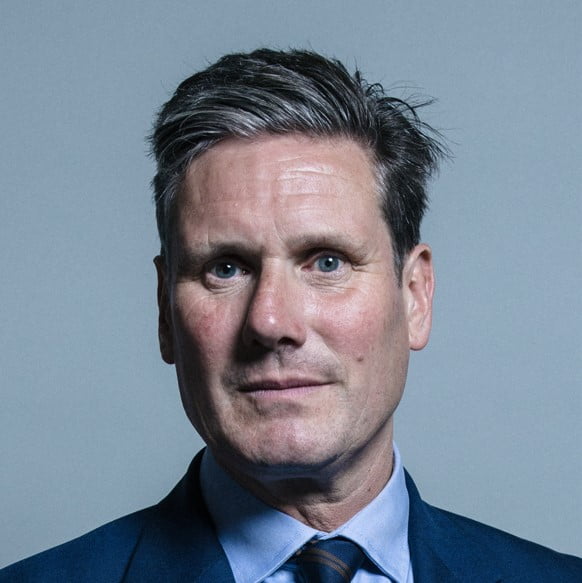
Morgan McSweeney’s sudden resignation as Sir Keir Starmer’s chief of staff is more than a staffing shake-up — it’s a confession that the Mandelson appointment has evolved from an embarrassing distraction into a credibility crisis for the Prime Minister’s operation.
McSweeney, one of the architects of Labour’s modern electoral machine and a central figure in Starmer’s ascent, stepped aside after days of intensifying scrutiny over his role in urging Starmer to appoint Lord Mandelson as the UK’s ambassador to the US — despite Mandelson’s publicly known links to Jeffrey Epstein. In his statement, McSweeney said the appointment was “wrong,” accepted “full responsibility” for the advice he gave, and called for the vetting process to be “fundamentally overhauled.”
The core “truth” in this story: accountability has finally landed at the centre
There are three facts that shape what happens next.
First: McSweeney did not merely “work nearby” — he acknowledges he advised the Prime Minister to make the appointment. That admission reframes the scandal from “a legacy figure made a mistake” into “Number 10’s judgment failed.”
Second: the government argues the Epstein connection was flagged during vetting, yet Starmer has also suggested he was misled about the depth of the relationship. Those two positions can coexist, but they raise uncomfortable questions: if it was flagged, why did the appointment proceed; and if the depth mattered, what thresholds and red lines actually exist? (This is now a governance problem, not just a political one.)
Third: the scandal is no longer just “association.” Recent releases have prompted allegations of Mandelson sharing sensitive information with Epstein while in public office, which has been widely reported as triggering a police investigation into potential misconduct. That escalates the political harm because it shifts the debate from reputational risk to national-interest risk.
The sharpest criticism: the vetting defence doesn’t add up (and the public can see it)
Downing Street’s implicit defence has been: process existed, checks were done, and the problem was what wasn’t disclosed.
But that line fails in the court of public opinion for two reasons:
- Vetting is not a magic shield — it’s a leadership responsibility. When the job is Washington, the margin for “we didn’t appreciate how bad it would look” is tiny. Even if due diligence was delegated, accountability isn’t delegable.
- Publicly known risk still counts as risk. The links were already in the open. Appointing anyway tells MPs and voters: the political upside was judged worth the reputational cost. That may be a calculation, but it’s a brutal one — especially when the subject matter involves a man whose crimes devastated victims.
This is why McSweeney’s resignation reads as an attempt to stop the bleeding: it signals contrition and creates a fall-guy storyline. Yet the danger is obvious: if the public thinks the culture of decision-making remains unchanged, changing personnel won’t change the verdict.
Why this is perilous for Starmer: it collides with Labour’s “trust” brand
Starmer built much of his pitch on seriousness, integrity and competence — especially after years when “chaos” became a political shorthand. That’s precisely why opponents are now weaponising the scandal as proof that Labour has replicated the worst habits of old politics: elite networks, poor judgment, and opaque accountability.
Opposition voices have pressed the “buck stops with him” argument, and even within Labour the episode is reported to be fuelling internal anger, with some MPs and union figures raising questions about Starmer’s leadership and decision-making.
The most damaging element isn’t the resignation itself — it’s the implication that No.10’s internal guardrails failed and only snapped into place once the costs became existential.
What’s not proven — and how to report it responsibly
A serious UK politics story has to draw a clean line between substantiated claims and insinuation.
- Being mentioned in Epstein-related files is not automatically evidence of a crime. Document dumps can contain names, images and messages that require context and verification before conclusions are drawn.
- Allegations of leaks and misconduct require due process. The political consequences can be immediate, but legal conclusions require evidence tested through proper channels.
The right standard here is: treat the appointment decision as fair game for political accountability, while treating allegations of criminal wrongdoing with caution until verified by investigators and courts.
The real reform question: how do you “overhaul vetting” without pretending vetting was the only problem?
McSweeney’s call for a fundamental overhaul opens the door to a more meaningful response — if Downing Street chooses to take it.
A credible fix would likely include:
- Clearer risk thresholds for senior appointments (especially sensitive diplomatic postings): what constitutes disqualifying reputational risk?
- A documented decision trail: who recommended, who challenged, and what evidence was considered.
- Independent sign-off for the most sensitive roles, so the PM isn’t solely reliant on internal advisers who may be politically invested.
- A transparency posture: Parliament and the public may not need every detail, but they do need confidence that hard questions were asked before appointments are made.
Parliament has already seen ministerial statements emphasising support for victims and cooperation with investigations following the latest DOJ releases — language that sets an expectation for seriousness in how the UK responds.
What happens next: the PLP meeting is not the end — it’s the start of the reckoning
Starmer can probably survive a week of headlines. The harder challenge is surviving the after — the period when MPs ask whether the underlying operating model in No.10 has changed.
If Starmer’s pitch to his MPs is simply “we’ve moved people around,” the story continues. If it becomes “here’s how we will prevent this category of failure again,” he has a chance to reset — not by denial, but by redesign.
Because in the end, McSweeney’s resignation doesn’t close the Mandelson chapter. It opens a new one: how a government that promised trust handles the moment it loses it.


