

A Crisis Measured in Barrels, Missiles, and Miscalculations
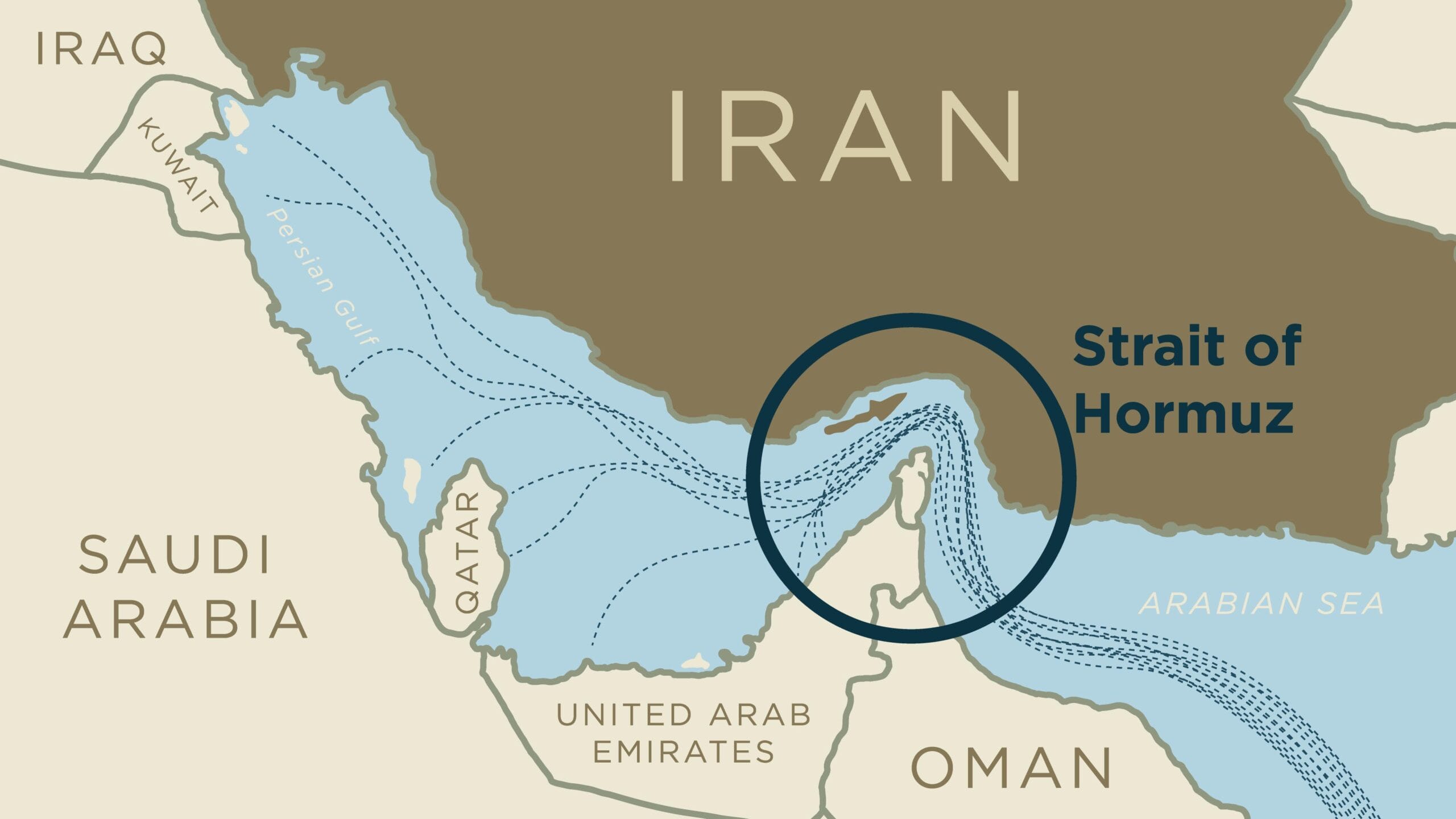
The world is once again staring into the narrow waters of the Strait of Hormuz, where global energy flows meet geopolitical brinkmanship.
In the past 48 hours, rhetoric has escalated sharply. Donald Trump has threatened to “obliterate” Iran’s energy infrastructure, while Masoud Pezeshkian has dismissed such warnings as “desperation,” insisting the strait remains open—“except to those who violate our soil.”
But beneath these statements lies a far more complex and unsettling reality: this is not just a regional confrontation—it is a test of global stability, credibility, and restraint.
The Strategic Chokepoint the World Cannot Afford to Lose


Roughly a fifth of the world’s oil supply passes through the Strait of Hormuz. Any disruption—real or perceived—triggers immediate ripple effects across global markets.
Despite Iranian assurances that the strait is “not closed,” shipping hesitancy tells a different story. Insurers, not navies, often dictate reality in modern trade. When war risk premiums surge, tankers reroute, delay, or halt altogether.
This reveals a key truth: The strait doesn’t need to be physically blocked to be economically closed.
War by Proxy, Pressure by Narrative
The conflict has expanded beyond direct confrontation:
- Iranian missile strikes have hit Israeli territory, causing casualties and widespread damage
- Israel has intensified operations against Hezbollah in Lebanon
- Saudi Arabia and the United Arab Emirates report intercepting drones
- New strikes have been reported in Tehran
This is no longer a contained conflict—it is a multi-theatre escalation, where each actor seeks leverage without triggering full-scale war.
The Trump Doctrine: Deterrence or Dangerous Theatre?
The threat to destroy Iran’s energy infrastructure reflects a familiar strategy: escalate rhetoric to force compliance.
But critics argue this approach carries profound risks:
- Targeting energy infrastructure could cripple civilian life, not just military capacity
- It risks legitimising reciprocal strikes on global energy assets
- It may push neutral actors into active opposition
Even statements from Mike Waltz—that “no option is off the table”—underline a troubling ambiguity: Strategic deterrence is increasingly indistinguishable from strategic unpredictability.
The Missile Debate: Capability vs Reality

Claims that Iran could strike cities like London or Paris have sparked concern across Europe.
However, analysts highlight critical caveats:
- Long-range missiles are limited in number
- They are less accurate at extreme distances
- Launch systems are highly vulnerable to pre-emptive strikes
Even NATO has stated it cannot confirm such capabilities. The real takeaway is not immediate threat—but strategic signalling.
Iran’s message is less about capability, and more about deterrence through uncertainty.
Lebanon: The Silent Front Becoming the Loudest

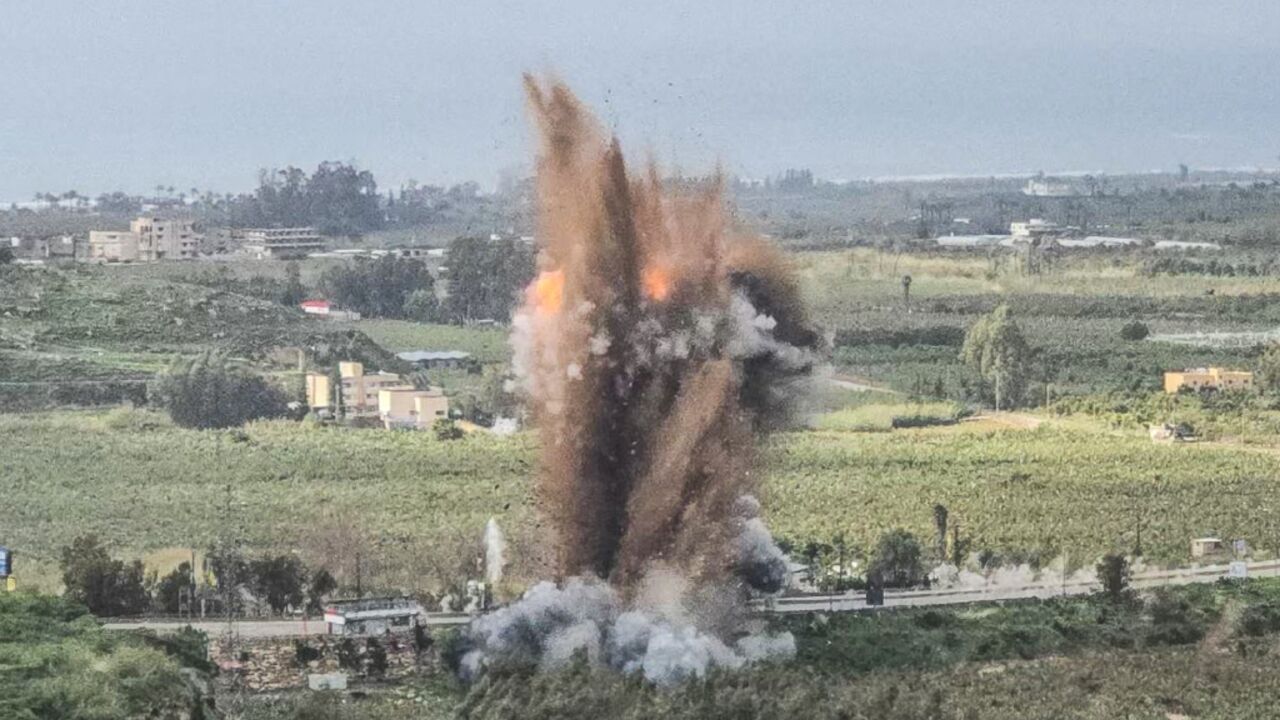
While global attention focuses on Hormuz, Lebanon is quietly becoming the most dangerous escalation point.
Israel’s strikes on infrastructure—including bridges over the Litani River—suggest preparation for:
- Isolation of southern Lebanon
- Potential buffer zone creation
- Extended ground operations
With over a million displaced and rising civilian casualties, the humanitarian cost is mounting rapidly.
This is where geopolitical strategy collides most directly with human reality.
The UK–US Alignment: Stability or Strategic Blind Spot?
A recent call between Keir Starmer and Trump emphasised the urgency of reopening the Strait of Hormuz.
While alignment signals unity, it also raises questions:
- Is the West prioritising energy stability over de-escalation?
- Does a unified stance reduce risk—or amplify confrontation?
The UK finds itself in a familiar position: A strategic partner in US-led policy, but geographically exposed to its consequences.
Truth vs Narrative: What This Crisis Really Reveals
What is True
- The Strait of Hormuz remains physically open—but economically fragile
- Iran retains the ability to disrupt, but not dominate, the region
- Israel is expanding operations beyond immediate defence
- The risk of wider regional war is increasing
What is Political Narrative
- “Obliteration” as a viable strategy without escalation
- Claims of imminent long-range missile threats to Europe
- The idea that control over Hormuz can be enforced through threats alone
The Bigger Picture: A World Testing Its Own Limits
This crisis is not just about Iran, Israel, or the United States.
It is about a global system under strain:
- Energy dependency vs geopolitical risk
- Military capability vs strategic restraint
- National interests vs global consequences
The most dangerous illusion in this moment is not military power— it is the belief that escalation can still be controlled. History suggests otherwise.


